
International Social Studies Olympiad 
“Every Generation writes it’s own history”
- John Bowman

Edition
12th
Class 1 to 10
About
International Social Studies Olympiad (iSSO)
The International Social Studies Olympiad (iSSO) is a premier platform for students. It helps them demonstrate knowledge of key social studies concepts. The International Social Studies Olympiad goes beyond rote memorisation; it challenges students with analytical and critical thinking skills.
Key Benefits for Students
- Open to students in Classes 1 to 10 from CBSE, ICSE, ICBSE, or any recognised state board in India.
- Ignites genuine interest in social studies Olympiad topics.
- Covers current affairs, global issues, and world history.
- Explores diverse cultures and perspectives.
- Builds a holistic understanding of our interconnected world.
- Sharpens cognitive skills and analytical abilities.
- Broadens cultural horizons.
- Boosts personal growth and confidence.
Joining iSSO fosters curiosity and a deeper appreciation for the global community.
Key Features of the Exam Structure
- Each class will receive a separate and class-specific question paper to ensure appropriate difficulty levels.
- All questions are objective-type (Multiple Choice Questions).
- There is no negative marking, encouraging students to attempt all questions confidently.
- The International Social Studies Olympiad is conducted only in English to maintain a standardised assessment format and ensure clarity in technical terminology used across all classes.
The Olympiad is held once a year and is conducted during school hours to ensure student convenience and maximum participation. Each participating school can select one of the three proposed dates for conducting the Olympiad. All dates will have separate sets of question papers, ensuring exam integrity and flexibility in scheduling.
Test Paper Structure
The language medium is English only. The examination is being conducted for all classes from 1st to 10th with the following details:
- For Classes 1-2: There will be 25 questions, and the duration will be 40 Minutes
- For Classes 3-5: There will be 30 questions, and the duration will be 40 Minutes.
- For Classes 6-8: There will be 35 questions, and the duration will be 40 Minutes.
- For Classes 9-10: There will be 40 questions, and the duration will be 50 Minutes.
The details of the manner in which the test is to be conducted will be sent with the question papers. For classes 1st onward, OMR answer sheets will be provided.
Registration Of Students
The International Social Studies Olympiad (iSSO) prospectus, along with registration forms, is sent to all schools currently registered with the SilverZone Foundation. Please note that the printed prospectus may not reflect the most recent updates. The latest information on syllabus, exam format, levels, and prizes is always available on our official website. We recommend referring to it for accuracy.
For New Schools
Schools not yet registered with SilverZone may request a prospectus by writing to us at info@silverzone.org. Once received, schools must return the completed registration forms by the specified deadline.
Important Note For Schools
- Any school can become a registered centre for the International Social Studies Olympiad (iSSO). There is no fee required to register the school itself.
- For smooth coordination and exam feasibility, a minimum of 40 students per school is required to register for the International Social Studies Olympiad (iSSO).
- For any clarification regarding exam rules, syllabus, paper pattern, or registration process, schools may write to us directly at info@silverzone.org
The details of the manner in which the test is to be conducted will be sent with the question papers. For classes 1st onward, OMR answer sheets will be provided.
Marking Scheme and Syllabus
Utilizing a chapter-wise marking scheme can enhance students' performance in SilverZone Olympiads
All About Me
Chapters
- Body Parts
- Family
- Safety Rules
- Good Habits and Manner
- Good Touch and Bad Touch
My Needs
Chapters
- Food, Clothes and Shelter
My Community
Chapters
- School and Neighbourhood
- People Who Help Us
Our Country
Chapters
- National Symbols
- Festivals and celebrations
Our Surroundings
Chapters
- Air and Water
- Environment
- Plants and Animals
Settled Life
Chapters
- Transport and Communication
Earth and Sky
Chapters
- Sun and Moon
- Seasons
- Weather
Scholar’s Zone
- Scholar’s Zone
All About Me
Chapters
- Body Parts
- Family
- Safety Rules
- Good Habits and Manner
- Good Touch and Bad Touch
My Needs
Chapters
- Food, Clothes and Shelter
My Community
Chapters
- School and Neighbourhood
- Our Helpers
- Places of Worship
Our Country
Chapters
- National Symbols
- Festivals and celebrations
- Great people
- Historical Monuments in India
Our Surroundings
Chapters
- Air, Water and Land
- Environment
Settled Life
Chapters
- Time and Directions
- Transport and Communication
Earth and Sky
Chapters
- Universe
- Weather and Seasons
Scholar’s Zone
- Scholar’s Zone
All About Me
Chapters
- Body Parts
- Family
- Safety Rules
My Needs
Chapters
- Food, Clothes and Shelter
Occupation
Chapters
- Community Helpers
- Agriculture
Our Country
Chapters
- Freedom Fighters
- Historical Monuments in India
- Festivals and celebrations
- Four Metrocities
The Story of Early Man
Chapters
- Story of Fire
- Invention of Wheel
- Growing Food
Our Environment
Chapters
- Air, Water and Land
Settled Life
Chapters
- Transport and Communication
Earth and Sky
Chapters
- Solar System
- Weather and Seasons
Scholar’s Zone
- Scholar’s Zone
Our Country
Chapters
- National Symbols
- Landscape and its people
- Our Heritage
Resources
Chapters
- Natural Vegetation and Soil
- Air and Water
Work and Play
Chapters
- Agriculture
- Industries
- Sports
Our Government
Chapters
- Fundamental Rights and Duties
- Public Services
Time and Directions
Chapters
- Time
- Mapping Neighbourhood
Settled Life
Chapters
- Transport and Communication
Earth and its Neighbours
Chapters
- Solar System
- Moon and Artificial Satellites
- Climate and Seasons
Scholar’s Zone
- Scholar’s Zone
History and Its Evidence
Chapters
- Freedom Struggles and Independence
- Important Dates
- Great Personalities and Achievers
- Inventions and Discoveries
Governance
Chapters
- Structure of Government
- Fundamental Rights and Duties
- United Nations and Other Regional organisations
Earth and its Inhabitants
Chapters
- Landforms
- Weather and Climatic Zones
- Map
- Natural Disaster and Mitigation
Heritage
Chapters
- Music styles and Dance forms
- World Heritage Sites
- Handicrafts
Environment
Chapters
- Pollution
- Conservation of Environment
- Healthy Lifestyle
Settled Life
Chapters
- Transport and Communication
- Migration
Scholar’s Zone
- Scholar’s Zone
Theme A — India and the World: Land and the People
Chapters
- Locating Places on the Earth
- Oceans and Continents
- Landforms and Life
Theme B — Tapestry of the Past
Chapters
- Timeline and Sources of History
- India, That Is Bharat
- The Beginnings of Indian Civilisation
Theme D — Governance and Democracy
Chapters
- Family and Community
- Governance
- Local Government in Rural Areas
- Local Government in Urban Areas
Local Government in Urban Areas
Chapters
- The Value of Work
- Economic Activities Around Us
Scholar’s Zone
- Scholar’s Zone
Theme A — India and the World: Land and the People
Chapters
- Geographical Diversity of India
- Understanding the Weather
- Climates of India
- The Story of Indian Farming
- India and Her Neighbours
Theme B — Tapestry of the Past
Chapters
- New Beginnings: Cities and States
- The Rise of Empires
- The Age of Reorganisation
- The Gupta Era: An Age of Tireless Creativity
- Empires and Kingdoms: 6th to 10th Centuries
- Turning Tides: 11th and 12th Centuries
Theme C— Our Cultural Heritage and Knowledge Traditions
Chapters
- How the Land Becomes Sacred
- India, a Home to Many
Theme D — Governance and Democracy
Chapters
- From the Rulers to the Ruled: Types of Governments
- The Constitution of India — An Introduction
- The State, the Government, and You
Theme E — Economic Life Around Us
Chapters
- From Barter to Money
- Understanding Markets
- Infrastructure: Engine of India’s Development
- Banks and the Magic of Finance
Scholar’s Zone
- Scholar’s Zone
Theme A — India and the World: Land and the People
Chapters
- Natural Resources and Their Use
Theme B — Tapestry of the Past
Chapters
- Reshaping India's Political Map
- The Rise of the Marathas
- The Colonial Era of India
- Indian National Movement (Freedom Fighters, Major Rebellions and Movements, Independence and Partition)
Theme C— Our Cultural Heritage and Knowledge Traditions
Chapters
- Indian Heritage and Culture (Literature, Dance, Music, Arts, Monuments, UNESCO Sites)
Theme D — Governance and Democracy
Chapters
- Universal Franchise and India's Electoral System
- The Parliamentary System: Legislature and Executive
Theme E — Economic Life Around Us
Chapters
- Factors of Production
Scholar’s Zone
- Scholar’s Zone
History
Chapters
- The French Revolution
- Socialism in Europe and the Russian Revolution
- Nazism and the Rise of Hitler
- Forest Society and Colonialism
- Pastoralists in the Modern World
Geography
Chapters
- India-Size and Location
- Physical Features of India
- Drainage
- Climate
- Natural Vegetation and Wildlife
- Population
Political and Social Life
Chapters
- What is Democracy?
- Why Democracy?
- Constitutional Design
- Electoral Politics
- Working of Institutions
- Democratic Rights
Economics
Chapters
- The Story of Village Palampur
- People as Resource
- Poverty as a Challenge
- Food Security in India
Scholar’s Zone
- Scholar’s Zone
History
Chapters
- The Rise of Nationalism in Europe
- Nationalism in India
- The Making of a Global World
- The Age of Industrialisation
- Print Culture and the Modern World
Geography
Chapters
- Resources and Development
- Forest and Wildlife Resources
- Water Resources
- Agriculture
- Minerals and Energy Resources
- Manufacturing Industries
- Lifelines of National Economy
Political and Social Life
Chapters
- Power- Sharing
- Federalism
- Gender, Religion and Caste
- Political Parties
- Outcomes of Democracy
Economics
Chapters
- Development Sectors of the Indian Economy Money and Credit Globalisation and the Indian Economy Consumer Rights
Scholar’s Zone
- Scholar’s Zone
Raw Score Calculation
The raw score is computed by multiplying each correct answer by its corresponding base marks and summing the results. In mathematical terms: Raw Score = SUM (correct answer × subsequent base Marks).
Total Marks Calculation
Total Marks are determined by adding the raw score to the sum of the weightage of correct answers. Each question carries an additional weightage, starting from .0001 and increasing incrementally (.0002, .0003, and so forth). For instance, Question No. 1 has a weightage of .0001, Question No. 2 has .0002, and so on. This weightage is utilized to resolve ties when calculating Class/Zonal/Olympiads ranks.
Rank Structure:
Class Rank
This encompasses all students from various sections/divisions of the same class within the same school.
Olympiad Rank
This encompasses all students from India and abroad belonging to the same class.
Important Notes:
Each winner is entitled to one award per exam, receiving the higher-level award only. For example, international top three rank holders will receive awards based on their international ranks, and any awards based on their Zonal ranks will be passed to the next rank holder. Similarly, if a Zonal award winner also qualifies for a class award, the class award will be given to the next rank holder.
Sample Papers
Sample Question Papers
Explore the comprehensive syllabus and sample test papers conveniently available on our website. Click the links below to access the syllabus and sample test papers tailored for each class. For book purchases, kindly reach out to your School Coordinator or proceed to book your order online today.
Prizes
International Olympiad
Rank Awards

1st Olympiad rank
The 1st International Olympiad rank holder in each class will receive a Prize of
10,000/-.
2nd Olympiad rank
The 2nd International Olympiad rank holder in each class will receive a Prize of
7,500/-.

3rd Olympiad rank
The 3rd International Olympiad rank holder in each class will receive a Prize of
5000/-.
Zonal Categorisation
Zone/State Categorisation
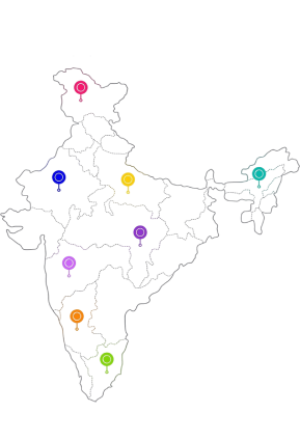
To streamline operations and facilitate various functions, all states and Union Territories in India, along with participating international countries, have been organized into the following zones. This categorization serves the following purposes:
Determining zone toppers for performance-based awards.
Delhi NCR, Haryana, Punjab, Himachal Pradesh, Uttarakhand, J&K, Ladakh, Chandigarh, Rajasthan, Uttar Pradesh
Maharashtra, Goa, Gujarat, Daman & Diu, Dadra & Nagar Haveli, Madhya Pradesh
West Bengal, Bihar, Jharkhand, Odisha, Assam, Arunachal Pradesh, Tripura, Sikkim, Meghalaya, Mizoram, Nagaland, Manipur, Chhattisgarh
Tamil Nadu, Karnataka, Kerala, Telangana, Puducherry, Lakshadweep, Andhra Pradesh, Andaman & Nicobar
All countries except India
Study Material
Recommendation & Books
PREVIOUS YEAR PAPERS
COMPREHENSIVE BOOK